As the pandemic-affected world observes Universal Children Day on November 20 with a resolve to improve children’s welfare, kids in Kashmir continue to await hassle-free campus life and respite from the stressful strife.
Asif is stuck in weary-walls of his home since last summer when schools became shut shops in Kashmir following a traumatic thaw in the simmering suspense that ended up devouring his homeland’s semiautonomous status.
The once ‘happy-go-lucky’ kid has now become a grim reminder of the ‘plague’ crippling life in the lockdown-battered valley from many moons now.
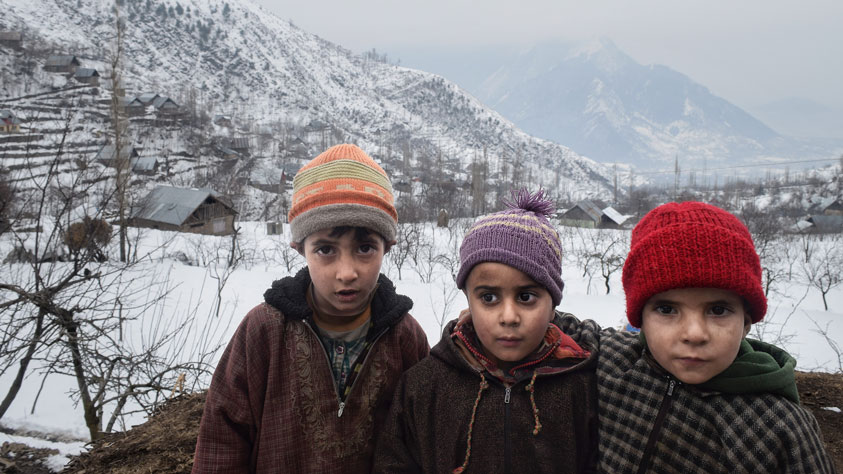
“It has been one heck of a tormenting trip,” Asif, a class 6th student, summarises his life since last August, albeit coyly. “Last 15 months felt like a prison. I mostly ate, studied, slept and repeated as a captive in my home.”
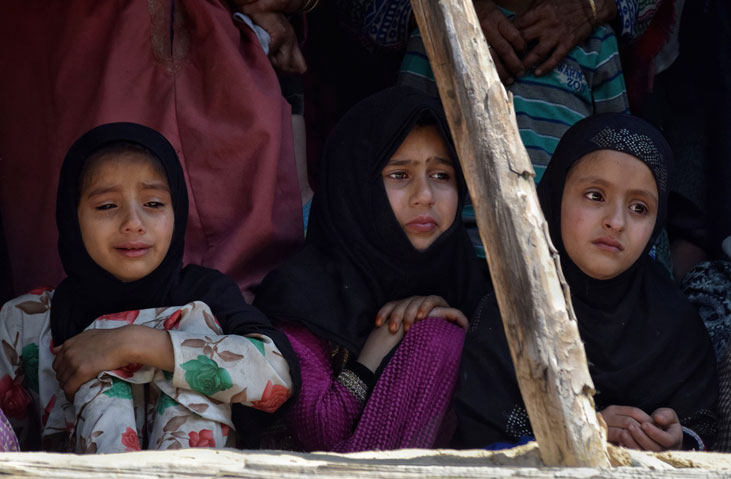
Asif’s anguish is shared by other “children of conflict”, whose tribe has been growing since the late ’80s — the armed era when the World War-II legendary Red Army met its Waterloo in Afghanistan’s “graveyard of empire” trenches and fuelled imaginations in the valley.
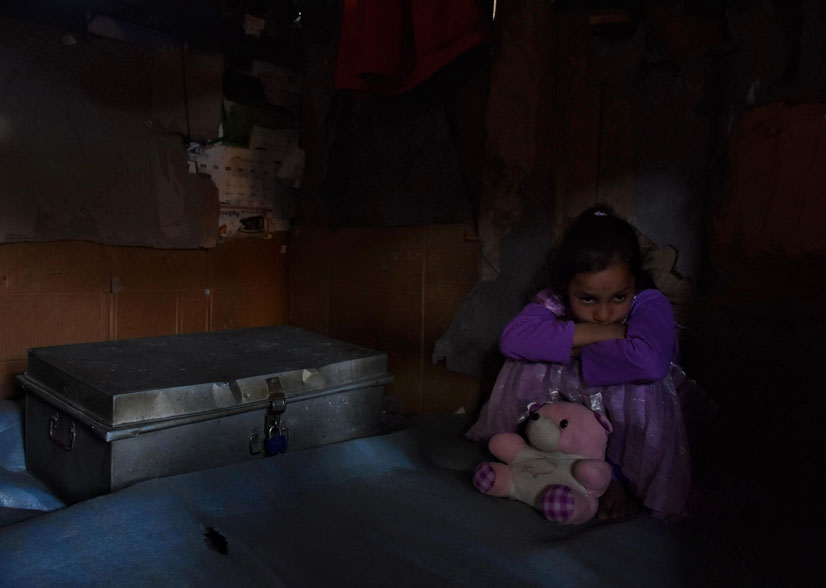
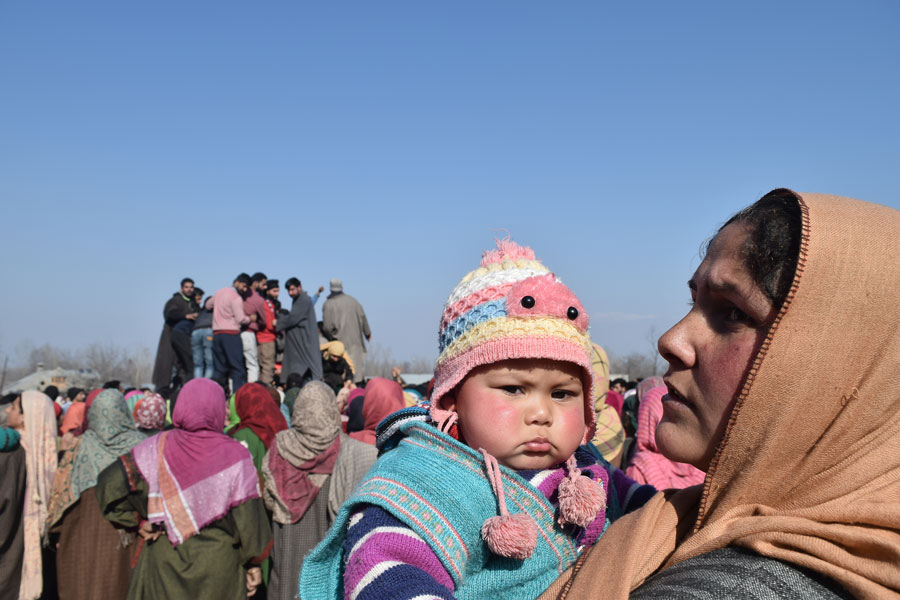
Post-2010, when Kashmir witnessed renewed rage and rebellion, these children mostly witnessed ‘seas of sentiment’ for militant funerals—the gatherings now proscribed for “the fear of being potential recruitment grounds”.
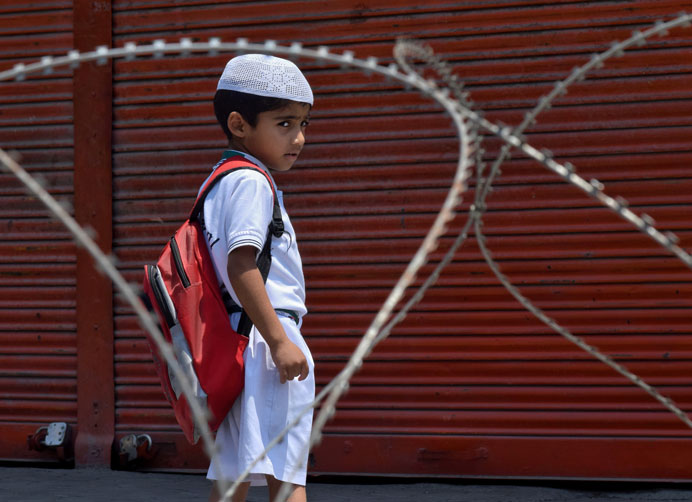
Before Asif and his contemporaries would witness new curbs and clampdowns in the valley, they had seen gunmen — sporting long-hairdos and clutching glistening weapons — arriving amid cheers and chants to give the signature gun-salute farewell to their fallen comrades.
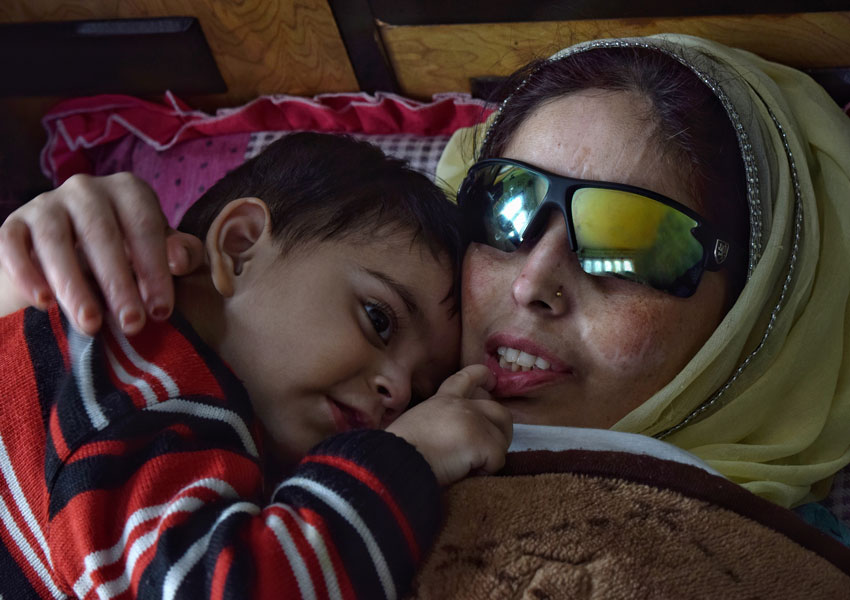
In southern pockets of the valley, many kids grew up watching and adoring the “larger than life” figures. Later, some of them would become the fresh-faced fallen dissenters.
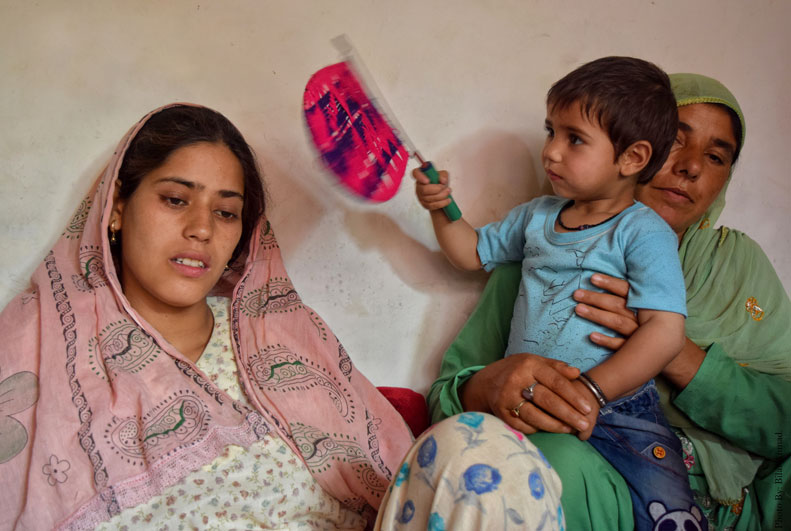
But with adoration and admiration, anguish also swept across the landscape, making certain familiar things a freeze-frame now — or, what many reckon, a thing of not-so-distant past.
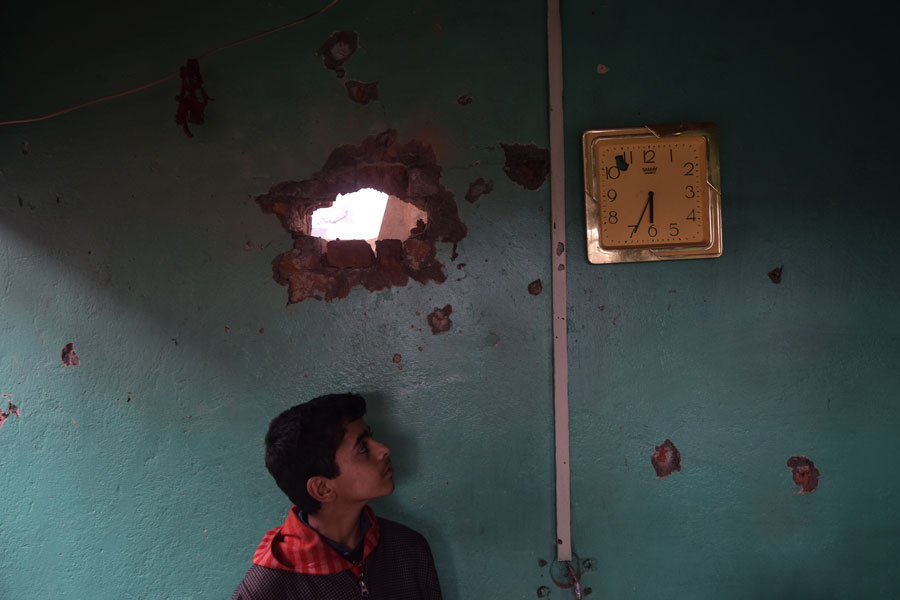
What remains, however, is the same perturbing pulse of life in the valley, where children seem to crave for some cheerful change. But things unendingly go south for them.
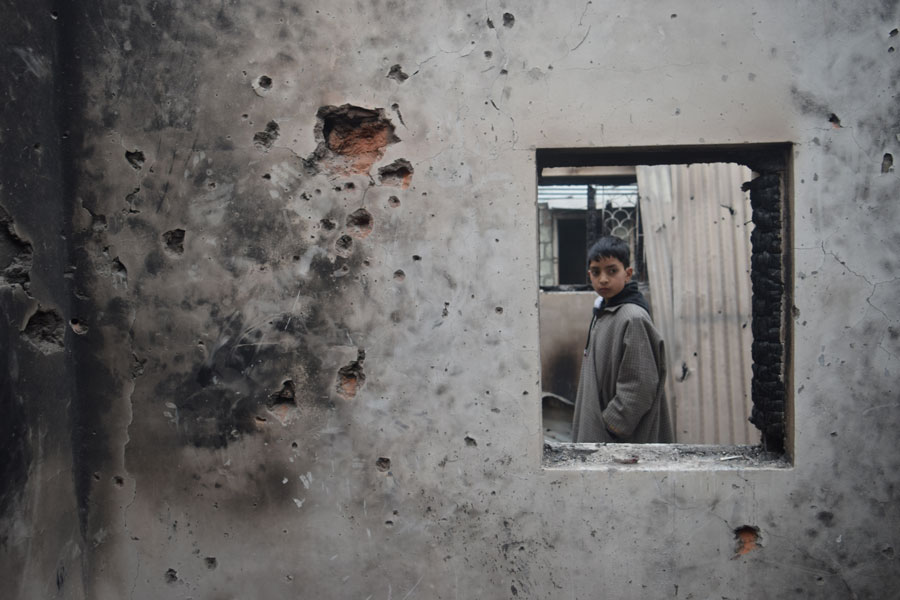
As a disturbing pattern now, kids in Kashmir can be seen, every now and then, clearing rubble with bare hands to unearth their burnt and buried books.
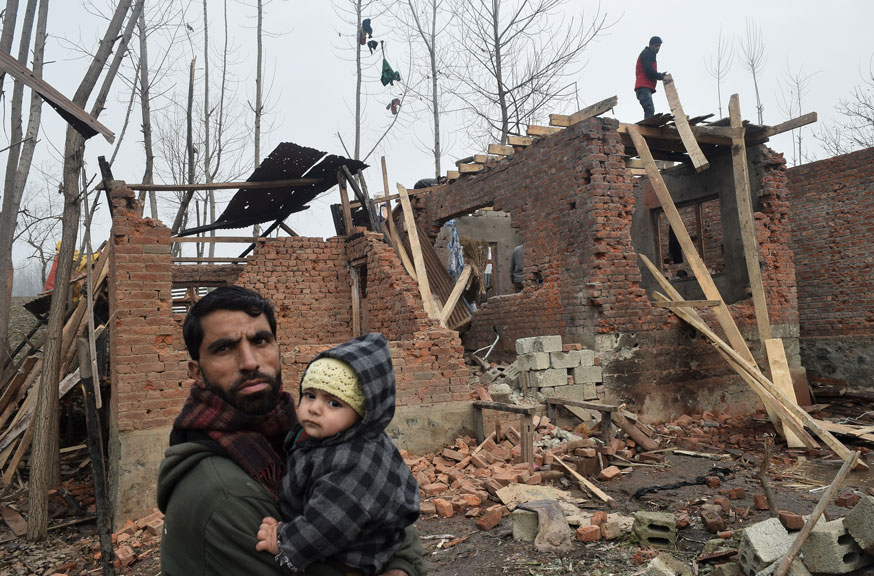
Before becoming smouldering sites, these children know these flashpoints as their homes, where they’ve spent umpteen memorable moments of their life.
After shattered for sheltering militants, these kids stand in the shadow of these structures to convey their silent sense of suffering. Enforced homelessness in the name of “collateral damage” is a chilling reminder of the travesty of life in Kashmir.
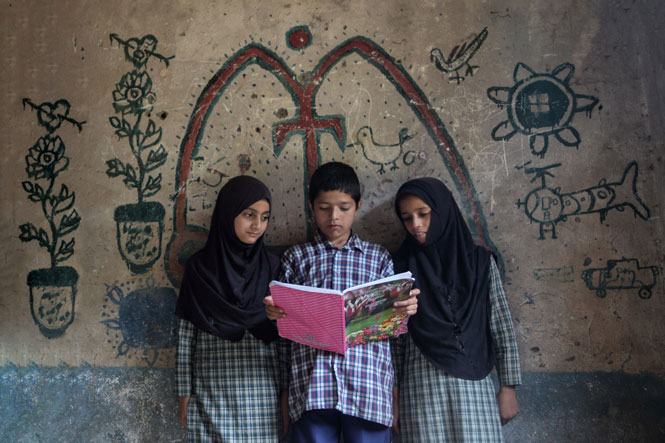
Such regularities often change the very idea of engagement for kids in the valley.
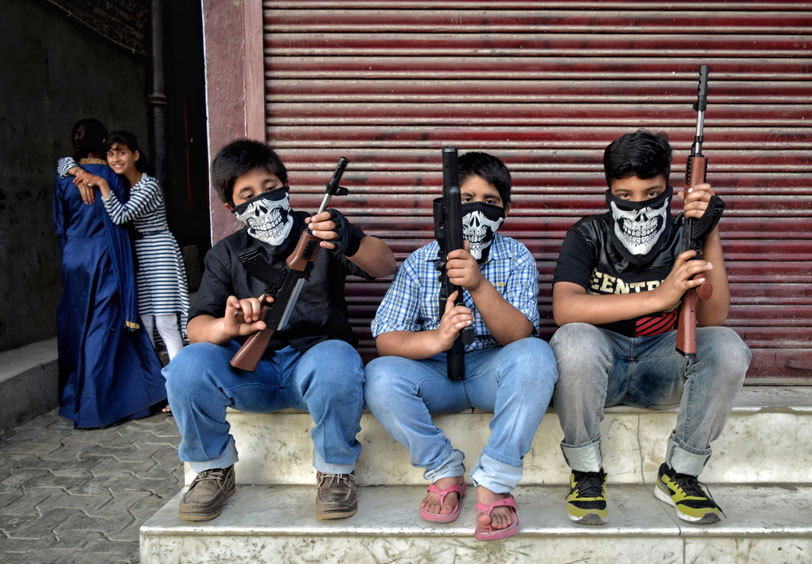
Some of them still flash toy guns on Eid as a symbol of festivity. Many can be seen putting up a stern face while spotting gunners on streets.
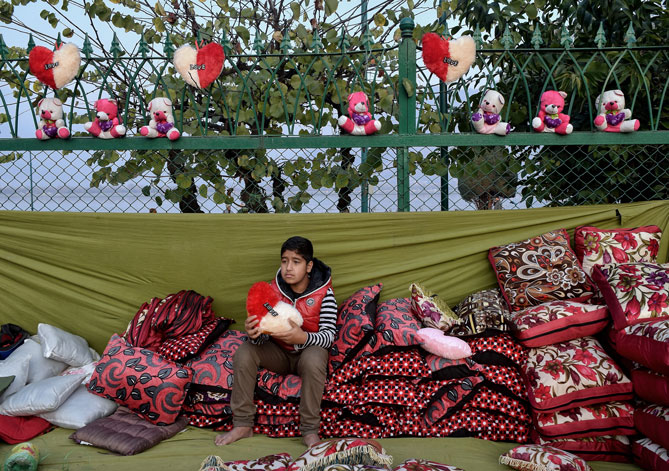
Lot of them cry when bitter smoke throttles the old pitch. Many of these kids can also be seen collecting a fistful of empty bullet shells as a matter of routine near the armed clash spots.
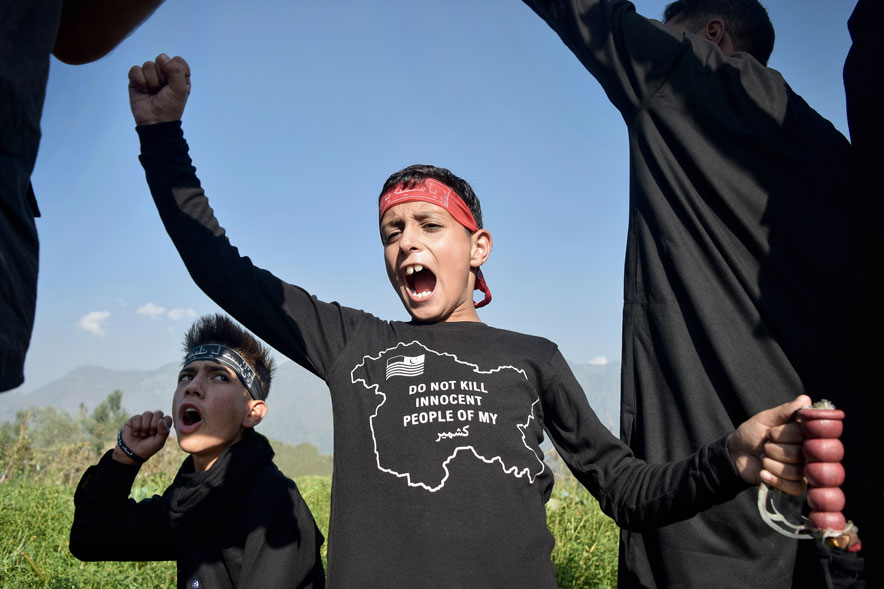
While some voice their pent up feelings, others just play glum fence-sitters on their doors, at their windowsills, atop their terraces, inside their alleys—wondering about the perpetual woe with their welled-up eyes.
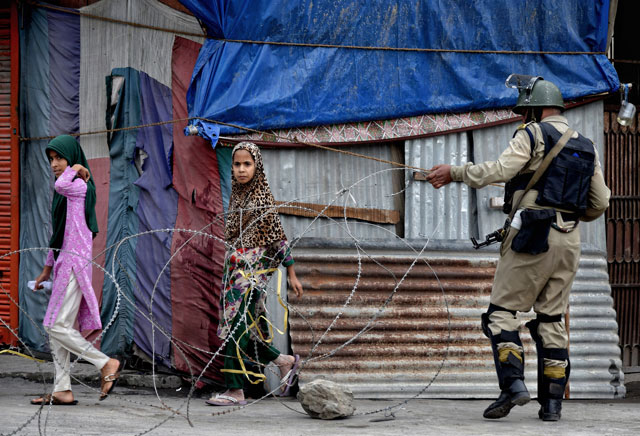
But all this and more has been truncated for a facelift. Still, the haunting unease unleashed by alarming announcements and cantankerous casters remains the order of the day.
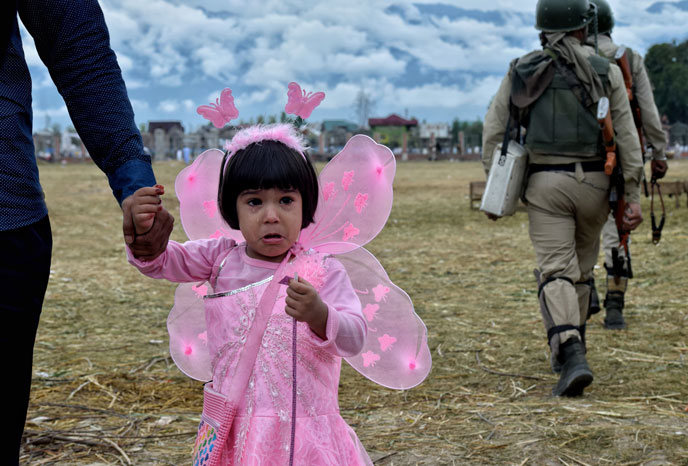
And therefore, someone like Asif has to possibly cool his heels within those weary-walls of his home for some more time before finally reclaiming his ‘routine’ he lost when the status fell last summer.
(This Photo Essay appeared in the November 2020 print issue of the Mountain Ink.)
To help us strengthen the tradition of quality reading and writing, we need allies like YOU. Subscribe to us.
Leave a Reply